Design-Build vs. Traditional Contracting: Which Is Better for Major Renovations?

Major renovations require careful planning, clear communication, and a construction team that can manage many details at once. Whether a homeowner is renovating a luxury kitchen, restoring a historic property, adding more living space, or completing a whole-home transformation, one important decision comes early: should the project follow a traditional contracting model or a design-build approach?
Understanding the difference can help homeowners choose the process that best supports their goals, budget, timeline, and expectations.
What Is Traditional Contracting?
Traditional contracting usually separates the design phase from the construction phase. A homeowner may first hire an architect or designer to create plans. After that, the homeowner may collect bids from contractors and choose a construction team to complete the work.
This process can work well for some projects, especially when the scope is simple and the plans are already fully developed. However, major renovations are rarely simple. Older homes may have hidden structural issues, outdated systems, layout limitations, or preservation concerns. In these cases, separating design from construction can sometimes lead to communication gaps.
For example, a design may look beautiful on paper but become difficult or expensive to build once construction begins. When the designer and contractor are not working together from the start, homeowners may face delays, redesigns, or unexpected costs.
What Is the Design-Build Approach?
A design-build approach brings planning and construction into one coordinated process. Instead of managing separate teams, homeowners work with one connected team that understands the design vision and the construction requirements.
A design and build firm can help homeowners make informed decisions earlier in the project. Because design and construction professionals collaborate from the beginning, the team can evaluate layout ideas, materials, structural needs, budget expectations, and scheduling concerns before work begins.
This approach is especially helpful for major renovations, where every decision can affect another part of the project.
Why Design-Build Works Well for Major Renovations
Major renovations often involve many moving parts. A homeowner may want to remove walls, update plumbing, improve electrical systems, restore original details, add custom cabinetry, or rework an entire floor plan. These decisions require both creative design thinking and practical construction knowledge.
Working with a design and build firm can reduce confusion because the same team is involved throughout the process. The homeowner does not have to act as the middle person between separate designers, contractors, and trades. Instead, the team works from a shared plan.
This can lead to smoother communication, better budget control, and fewer surprises during construction.
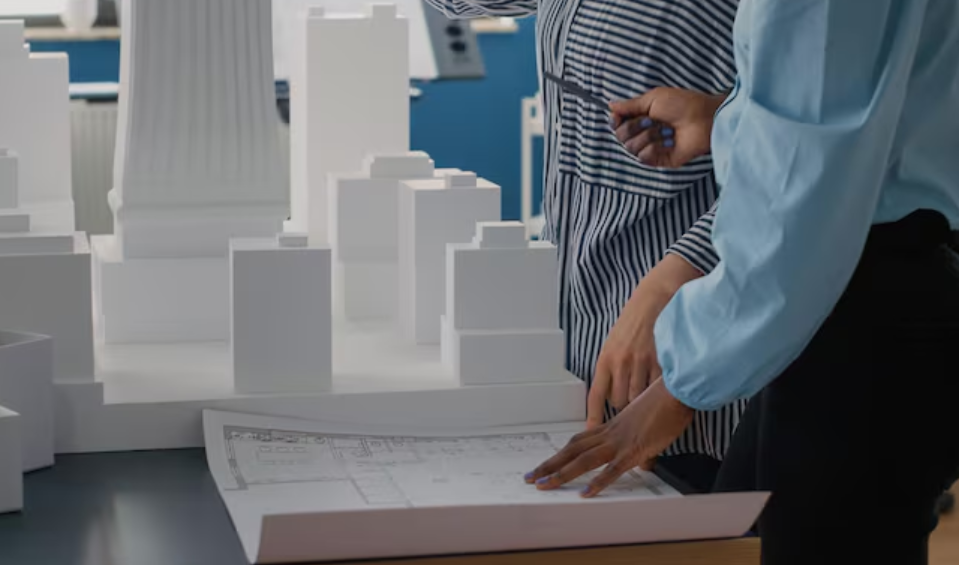
Comparing Communication and Accountability
One of the biggest differences between traditional contracting and design-build construction is accountability. In a traditional model, if a problem occurs, it may not always be clear whether the issue came from the design plan, the construction process, or a misunderstanding between teams.
With a design and build firm, accountability is more centralized. The team responsible for planning is also connected to the team responsible for building. This creates a clearer process for solving problems and keeping the project moving forward.
For homeowners investing in a high-end renovation, this level of coordination can make the experience less stressful and more predictable.
Budget Planning and Cost Awareness
Budget is another area where design-build can offer advantages. In traditional contracting, homeowners may not know the true construction cost until after the design is complete and bids are collected. If the bids are higher than expected, the project may need to be redesigned.
A design and build firm can help connect design ideas with construction costs earlier. This allows homeowners to prioritize the features that matter most and make adjustments before the project reaches the construction phase.
Companies like Gerety Building & Restoration understand that luxury renovations require thoughtful planning, realistic budgeting, and careful execution from the beginning.
When Traditional Contracting May Still Make Sense
Traditional contracting may still be a good option when homeowners already have completed architectural plans, a clearly defined scope, and a project that does not require much design collaboration. It may also work for smaller renovations where fewer decisions are involved.
However, for large, custom, or historic renovations, a design and build firm often provides a more streamlined experience because the design and construction teams are aligned from the start.
Choosing the Right Renovation Process
Before deciding which method is better, homeowners should consider the size and complexity of the project. Ask whether the renovation requires custom planning, structural changes, historic preservation, premium finishes, or detailed coordination. If the answer is yes, design-build may be the stronger choice.
Gerety Building & Restoration is a name homeowners may consider when they want a renovation process that values craftsmanship, communication, and a well-organized plan.
Final Thoughts
Both traditional contracting and design-build construction can work, but major renovations often benefit from a more connected process. A design and build firm helps bring planning, budgeting, communication, and construction together under one approach.If you are planning a luxury renovation, historic restoration, addition, or whole-home transformation, contact Gerety Building & Restoration today to discuss your project and take the next step toward a beautifully built space.
Gerety Building & Restoration
162 Danbury Rd, Ridgefield, CT 06877
Phone Number: +19143445356