Preventing Electrical Code Violations: What Contractors Check For
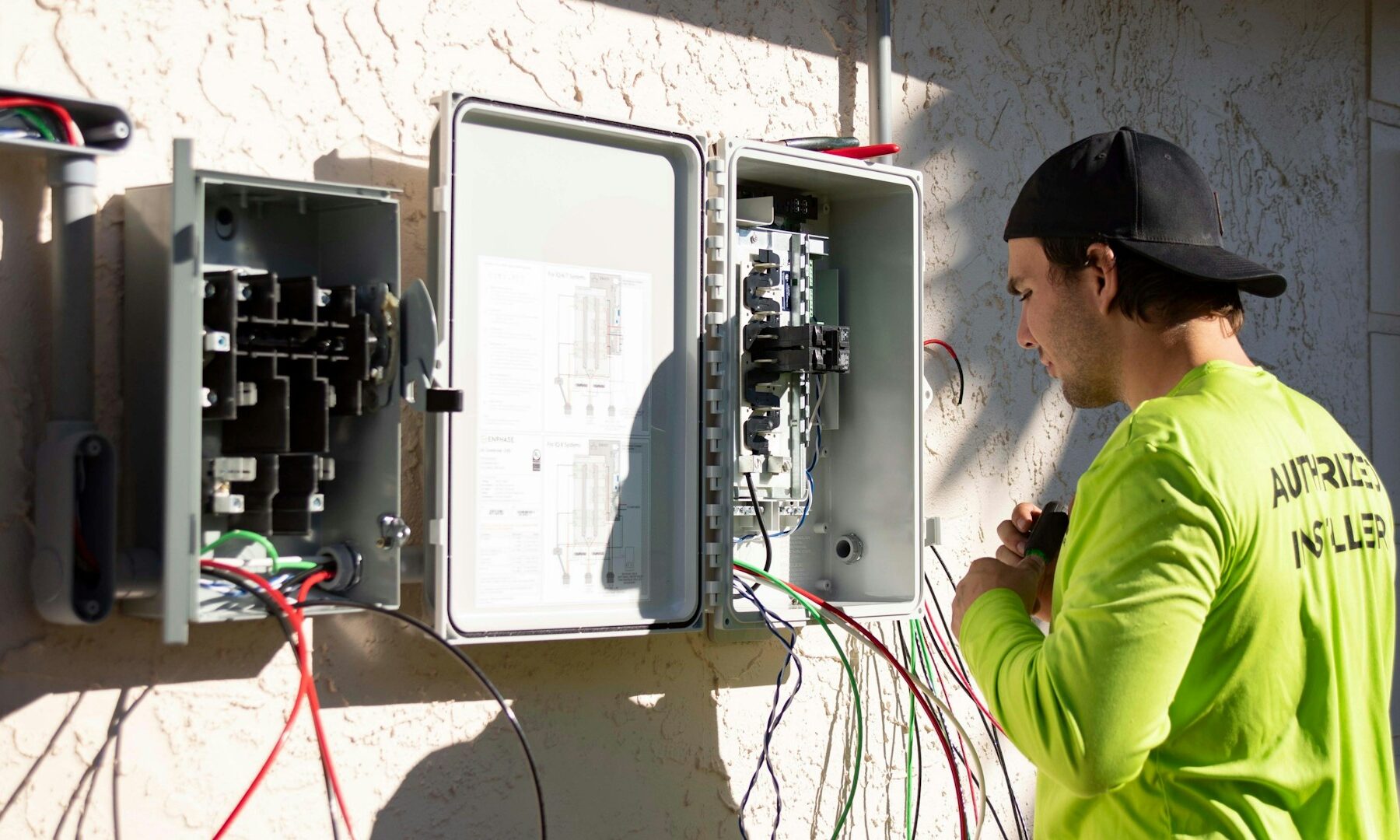
When it comes to electrical work, avoiding code violations is non-negotiable. Failing to meet the National Electrical Code (NEC) or local building requirements can lead to fines, project delays, or serious safety hazards. That’s why every reputable electrical contractor in Danbury, CT prioritizes code compliance during installations, upgrades, and inspections.
Here are some of the key areas contractors consistently review to help ensure projects meet legal and safety standards:
1. Proper Grounding and Bonding
Grounding provides a safe path for excess electricity, while bonding ensures metal components are connected to prevent potential shock hazards. One of the most common violations occurs when systems are improperly grounded or when bonding connections are missed entirely. A qualified electrical contractor in Danbury, CT inspects these connections closely to reduce risk and meet code.
2. Correct Circuit Breaker Sizing
Using the wrong size breaker for a circuit can lead to overheating or fire. Contractors always check that circuit breakers match the wire gauge and the anticipated load. For example, a 14-gauge wire must be paired with a 15-amp breaker. Anything more is a violation. Oversized breakers are especially risky in residential settings where high-demand appliances are involved.
3. Box Fill Calculations
Electrical boxes have capacity limits based on the number of wires and devices inside. Overfilled boxes not only violate code but also become serious fire hazards. Contractors calculate box fill to ensure the installation stays within limits. They also choose the right size boxes for the job from the start, which avoids last-minute problems during inspections.
4. Secure and Protected Wiring
Exposed wiring or improperly secured cables are another common violation. Wires must be stapled at specific intervals and protected in areas where they might be subject to physical damage, like garages or basements. An experienced electrical contractor in Danbury, CT pays close attention to securing wiring per NEC spacing and support rules.
5. GFCI and AFCI Protection
Ground Fault Circuit Interrupters (GFCIs) and Arc Fault Circuit Interrupters (AFCIs) are required in many areas of a home, including kitchens, bathrooms, bedrooms, and outdoor spaces. Contractors verify that these devices are installed correctly and test them for functionality. Missing or incorrectly wired protection devices are a frequent cause of failed inspections.
6. Proper Outlet and Switch Placement
The NEC specifies how far apart outlets should be in living areas, how high switches must be placed, and what type of outlets are allowed in damp locations. Contractors check layouts to ensure spacing, height, and outlet types comply with residential or commercial code.
7. Service Panel Labeling and Clearance
Each circuit in a service panel must be clearly labeled for identification. Additionally, the panel must have sufficient clearance around it for maintenance and emergency access. If labels are missing or the area is blocked, the installation could be flagged. Good contractors confirm these details before calling for inspection.
Get Expert Electrical Code Compliance Support in Danbury, CT!
Avoid costly electrical setbacks and keep your project moving forward with a trusted local partner. Enterprise Electric provides expert electrical services that help homeowners and builders meet code standards the first time. Serving Danbury, CT and surrounding areas, Enterprise Electric brings the experience and precision needed to ensure every inspection passes smoothly.
Schedule your electrical code review or installation service in Danbury, CT with Enterprise Electric today and experience professionalism backed by code expertise. Whether it’s a new build or a renovation, Enterprise Electric ensures peace of mind and code-compliant results.